
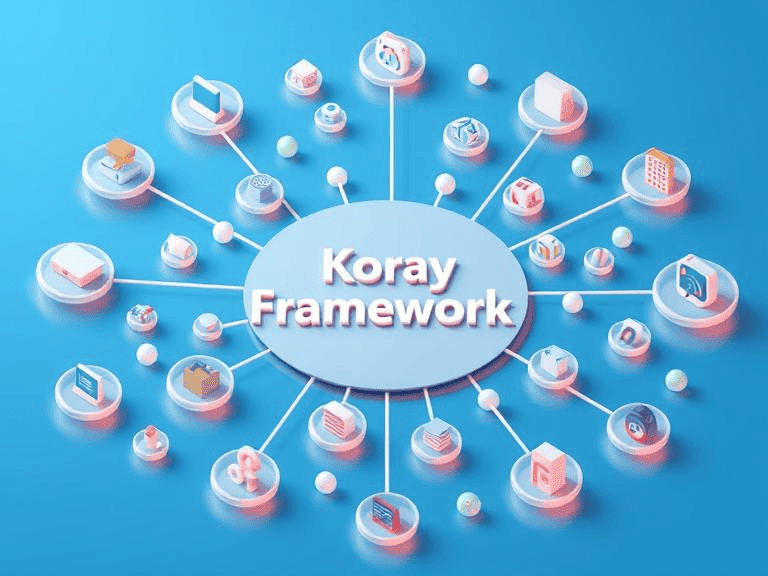
The Koray Framework, developed by SEO expert Koray Tuğberk Gübür, is an unconventional approach to semantic SEO that focuses on building topical authority and creating comprehensive content networks. This advanced methodology goes beyond traditional keyword-centric strategies, emphasising the importance of context, relevance, and semantic relationships in content creation and website optimisation.
The Koray Framework aims to establish websites as authoritative sources on specific topics by developing intricate topical maps and using both micro and macro semantics. This approach enhances search engine rankings and improves user engagement by providing more comprehensive and contextually relevant information.
While the framework offers benefits, such as improved search visibility and deeper topic coverage, it also comes with challenges. Implementing the Koray Framework requires a substantial investment of time and resources and a thorough understanding of complex SEO concepts. Despite these drawbacks, many SEO professionals, content marketers, and website owners have succeeded in using the Koray Framework to optimise their online presence and dominate search engine results pages (SERPs). By focusing on topical authority development, semantic content network creation, and contextual optimisation, this framework offers a sophisticated approach to SEO that aligns with the evolving nature of search algorithms and user behaviour.
What is the Koray Framework in SEO?
The Koray Framework is an advanced semantic SEO methodology beyond traditional keyword-focused strategies. This framework emphasises building topical authority and creating comprehensive semantic content networks to enhance search engine rankings and user engagement.
The framework uses concepts like centroids, document sections, and n-grams to optimise search engine and user content. It also addresses the challenges of uncertain inference in search, helping content creators anticipate and mitigate potential search engine errors.
By implementing the Koray Framework, websites can improve their visibility in search results, enhance user engagement, and establish long-term authority in their respective niches. This approach aligns with the evolving nature of search algorithms, which increasingly prioritise contextual relevance and comprehensive topic coverage over simple keyword matching.
Who is Koray Tuğberk Gübür?
Koray Tuğberk Gübür is a renowned SEO expert, CEO and founder of Holistic SEO & Digital, born on March 21, 1993. He’s known for developing the Koray Framework, an extensive approach to semantic SEO. Koray’s journey in SEO began in 2015 in the casino industry before transitioning to white-hat SEO practices. He graduated from Yeditepe University and has accumulated over six years of experience in the field. Koray has worked with over 300 companies, including Fortune 500 businesses, providing SEO consultancy, web development, data science, and search engine optimisation services throughout his career.
His expertise extends beyond traditional SEO, including machine learning, entity-based contextual search, and semantic content network creation. Koray has published numerous case studies, research papers, and A/B test results, contributing to the SEO community’s knowledge base.
Recognised for his clever approaches, Koray has been featured in prominent SEO newsletters and has spoken at various conferences and webinars. In 2020, Serpstat chose him as the most-read author, further cementing his status as a thought leader in the industry.
Koray is also active as a venture capitalist and investor, demonstrating his ability to blend technical SEO expertise with business perception. He maintains a strong presence on social media platforms, including LinkedIn, Twitter, YouTube, and Instagram, where he shares insights and engages with the SEO community.
As a guest lecturer at various universities, Koray continues to share his knowledge and inspire the next generation of SEO professionals. His holistic approach to SEO, combining technical expertise with semantic strategies, has established him as a visionary in digital marketing.
What are the Benefits of the Koray Framework?
- Enhanced Search Engine Rankings: The Koray Framework’s focus on semantic SEO and topical authority helps websites achieve higher rankings in search engine results pages (SERPs).
- Improved User Engagement: The framework enhances user satisfaction and engagement by creating comprehensive, contextually relevant content.
- Long-term Authority Building: The framework emphasises establishing expertise in specific domains, building trust and positioning businesses as leading resources in their niches.
- Algorithmic Resilience: This framework aligns with advanced search engine algorithms, better-equipping websites to maintain rankings despite updates.
- Comprehensive Topic Coverage: The framework encourages thorough exploration of topics, ensuring websites provide in-depth information on their subject matter.
- Strategic Content Organisation: The framework helps create a more organised and interconnected website structure through topical maps and content clustering.
- Improved Content Quality: Emphasising factual, precise information and expert-driven content leads to higher quality outputs.
What are the Drawbacks of the Koray Framework?
- Complexity: The framework’s advanced nature can be challenging for beginners to grasp and implement effectively.
- Time-Intensive: Developing comprehensive topical maps and content networks requires significant time investment.
- Resource Demanding: Implementing the framework often requires substantial resources in terms of research, content creation, and optimisation.
- Learning Curve: Understanding and applying the framework’s concepts, such as micro and macro semantics, can be challenging for those new to advanced SEO techniques.
What is the Difference Between Traditional SEO & Koray Framework?
| Traditional SEO | Koray Framework |
| Focuses primarily on keywords | Emphasises semantic relationships and topical authority |
| Often relies on backlink quantity | Prioritises content quality and contextual relevance |
| Targets individual pages for optimisation | Creates interconnected content networks |
| May use keyword stuffing techniques | Uses natural language and entity-based optimisation |
| Limited focus on user intent | Deeply analyses and supports user search intent |
| Often reactive to algorithm changes | Proactively aligns with evolving search engine capabilities |
How can we Achieve Topical Authority using the Koray Framework?
Achieving topical authority using the Koray Framework requires a comprehensive content creation and optimisation approach. The process begins with developing a detailed topical map that outlines the main topics, subtopics, and their relationships within your niche. This map is the foundation for creating a semantic content network demonstrating expertise and comprehensiveness.
The framework emphasises the importance of understanding your subject’s macro and micro contexts. This involves covering broad topics and discussing specific details, attributes, and related concepts. You create a good content structure that addresses various user intents and search queries by doing so.
Koray Tuğberk Gübür, in his presentations and case studies, highlights the significance of using historical data and query semantics to inform content creation. This approach helps bridge the gap between user queries and document vocabulary, making your content more relevant and authoritative in the eyes of search engines.
The framework also stresses the importance of internal linking and content hierarchy. By strategically connecting related pieces of content, you create a web of information that search engines can easily crawl and understand, further solidifying your topical authority.
The Koray Framework also incorporates advanced SEO techniques, such as entity-attribute optimisation and structured data. These elements help search engines communicate the context and relationships of your content more effectively.
What Tools Are Recommended for Applying Koray Framework SEO Techniques?
While Koray Tuğberk Gübür emphasises the importance of using one’s intellect and analytical skills as the primary tools for implementing the Koray Framework, several digital tools can assist in enhancing the process. These tools can help simplify research, content creation, and optimisation efforts. Recommended tools include:
- SEMrush: This all-in-one marketing toolkit provides insights into keyword research, competitive analysis, and site audits, enabling users to develop a robust topical map and identify content gaps.
- Ahrefs: Known for its extensive backlink analysis and keyword tracking capabilities, Ahrefs helps users understand their competitors’ strategies and refine their content networks.
- Google Search Console: This tool is essential for monitoring website performance in search results. It provides data on search queries, click-through rates, and indexing issues, aiding semantic content optimisation.
- Mind Mapping Software (e.g., XMind or MindMeister): These tools facilitate the creation of visual topical maps that outline relationships between various topics and subtopics.
- Notion or Trello: These project management tools can effectively organise content briefs, track progress, and collaborate with team members.
What are the Core Concepts or Pillars of the Koray framework?
The Koray Framework is built upon several core concepts that guide its semantic SEO implementation. Understanding these pillars is important for effectively applying the framework to achieve topical authority and improve search engine rankings. Together, these concepts create a comprehensive content creation and optimisation approach, ensuring that websites are seen as authoritative sources in their respective niches. The main pillars include:
1. Topical Map
A topical map is a structured representation of all relevant topics and subtopics related to a central theme. In the Koray Framework, creating a topical map involves identifying core topics, associated subtopics, and their interrelationships. This visual layout helps content creators understand how to cover a subject comprehensively while ensuring that all aspects are covered.
The process begins with brainstorming potential topics based on user intent and search queries. Once identified, these topics are organised hierarchically to reflect their relationships. By mapping out these connections, content creators can ensure they address all relevant questions and provide thorough information on each topic. This structured approach enhances user experience and signals to search engines that the website is an authoritative source on the subject matter.
2. Semantic Content Network
A semantic content network is an interconnected set of content pieces covering various aspects of a specific topic. It enhances search relevance by linking related articles and pages within a website.
Creating a semantic content network involves strategically interlinking articles with common themes or subtopics. For example, a website covering “electric vehicles” might link articles on battery technology, charging infrastructure, and environmental impacts. This interconnected structure allows search engines better to understand the relationships between different pieces of content, improving overall visibility in search results.
Additionally, a well-structured semantic content network enhances user engagement by quickly guiding visitors through related content, encouraging them to explore more information on the topic.
3. Semantic Content Brief
A semantic content brief is a detailed document that outlines the elements needed for creating high-quality content optimised for search engines. It serves as a roadmap for writers and content creators, ensuring that all necessary components are included during the writing process.
In the context of the Koray Framework, a semantic content brief includes information on target keywords, user intent analysis, relevant entities and attributes, and guidelines for structuring the content. It may also incorporate insights from keyword research and competitor analysis to ensure that the final output aligns with current trends and user expectations.
By following a well-crafted semantic content brief, writers can produce more focused and relevant articles that resonate with users and search engines.
4. Semantic Audit (Content Configuration)
A semantic audit involves assessing existing website content to ensure it aligns with best practices in semantic SEO. This process includes evaluating how well current articles cover their respective topics and identifying areas for improvement.
A semantic audit examines keyword usage, internal linking structure, and overall content quality. The goal is to optimise each piece of content for clarity and relevance while ensuring it fits within the website’s broader topical map.
By conducting regular semantic audits, website owners can maintain high-quality standards across their content library, adapt to changing user needs or search algorithms, and enhance their site’s authority in their niche.
5. Semantic Content Writing (Authorship Rules)
Semantic content writing focuses on creating clear, factual information that aligns with user intent while adhering to specific authorship rules by Koray Tuğberk Gübür. These rules guide writers in producing high-quality SEO-friendly content that meets both user needs and search engine requirements. By following these authorship rules, writers can produce semantically rich content that enhances user understanding while improving its chances of ranking well in search results.
6. Topical Authority
Topical authority refers to a website’s perceived expertise on specific subjects based on its comprehensive coverage of related topics. In the Koray Framework, achieving topical authority involves consistently producing high-quality content that addresses various aspects of a central theme.
To establish topical authority effectively, websites must create detailed topical maps outlining all relevant subtopics while developing interconnected semantic networks between related articles. This approach signals to search engines that the site possesses extensive knowledge of its subject matter.
Over time, as more authoritative content is produced and linked together within this framework, websites can improve their rankings in search results while fostering trust among users who seek reliable information on specific topics.
What are the Authorship Rules in the Koray Framework for Optimising Content Semantically?
The Koray Framework’s authorship rules for optimising content semantically are designed to create high-quality, search engine-friendly content that aligns with user intent and search algorithms. These rules focus on clarity, precision, and relevance. Here’s an in-depth look at these authorship rules:
- Use Proper Word Sequence: Structure sentences to prioritise key attributes and context. This ensures that readers and search engines can easily understand the main points.
- Be Certain: Avoid opinion-based statements and focus on providing factual, verifiable information. This builds trust and authority in your content.
- Cut the Fluff Out: Eliminate unnecessary words or phrases that don’t add value. Keep content concise and directly address user queries.
- Use Numeric Values: Incorporate precise numbers and statistics to enhance credibility and provide specific information. This improves content scannability and demonstrates expertise.
- Qualify Instances: Add descriptive details to instances mentioned in the content. This provides clarity and context, making the information more valuable to readers.
- Understand the Context of Verbs: Choose verbs that align with the specific context of your content. This helps make the content fit particular niches and enhances search engine understanding.
- Maintain Factual Accuracy: Ensure all information presented is accurate and up-to-date. This is crucial for building and maintaining credibility.
- Focus on User Intent: Align your content with what users are searching for. This involves understanding the questions behind queries and providing comprehensive answers.
- Use Entity-Attribute Optimisation: Use relevant entities and their attributes to enhance the semantic richness of your content. This helps search engines better understand the context and relationships within your content.
- Implement Structured Data: Use appropriate schema markup to provide clear signals to search engines about the content’s context and meaning.
- Create Comprehensive Topic Coverage: Develop content that thoroughly covers all aspects of a subject, establishing expertise and credibility in the eyes of search engines and users.
- Optimise for Featured Snippets: Structure content to increase its likelihood of being featured in Google’s “People Also Ask” or snippet sections. This involves using clear headings, lists, and concise definitions.
What are the Koray’s Agents for SEO?
- Query Gap Analyser: Identifies gaps in content coverage related to user queries.
- Comment Generator: Creates pros, cons, and sentiment-based comments to enhance content engagement.
- Semantic Role Labeler: Analyses and labels the semantic roles within content to improve contextual understanding.
- Frame Semantics Analyzer: Examines the semantic frames used in content to ensure comprehensive topic coverage.
- Topicality Scorer: Evaluates the relevance and depth of content to specific topics.
- Named Entity Suggester: Recommends relevant named entities to include in content for improved semantic richness.
- Quality Update Auditor: Assesses content against Google’s quality update guidelines.
- Triple Generator: Creates semantic triples (subject-predicate-object) to enhance content structure.
- Algorithmic Authorship (Sentence Filterer): Refines content to align with algorithmic authorship principles.
- Topic Clusterer: Groups-related topics to aid in creating comprehensive topical maps.
- HCU Auditor: Evaluates content against Google’s Helpful Content Update criteria.
- Title-Query Coverage Ratio Auditor: Analyzes how well titles cover related search queries.
What are the Paid & Free Learning Resources Shared by Koray Tuğberk Gübür?
Free Resources
- YouTube Tutorials: Koray offers various free video tutorials in which he shares insights into his methodologies and practical applications of his framework.
- Webinars: Occasionally hosted free webinars focusing on specific semantic SEO or topical authority aspects.
- Blog Articles: In-depth articles on his website discuss key concepts within his framework.
- Social Media Posts: Regular updates are shared across platforms like LinkedIn, where he discusses trends in SEO practices.
Paid Resources
- Topical Authority Course: A comprehensive course offering over nine hours of advanced training covering all aspects of semantic SEO.
- Personal Mentorship Programs: One-on-one coaching sessions where participants receive tailored guidance based on their unique needs.
- Advanced Workshops: Intensive workshops focused on practical applications of his methodologies within real-world scenarios.
- Subscription-Based Community Access: Memberships provide access to exclusive resources such as case studies and ongoing support from industry experts.
Why Choose Genghis Digital for Semantic SEO & Koray Framework?
Choose Genghis Digital for its mastery of the Koray Framework and semantic SEO. With 15+ years of experience, Genghis Digital offers comprehensive digital strategies and advanced SEO techniques. They deliver measurable results, focus on client success, and provide transparent reporting, ensuring brand excellence online.
Who is the best Semantic SEO & Koray Framework Services Provider in Australia?
Genghis Digital is the best digital marketing agency in Australia. Specialising in advanced SEO techniques like the Koray Framework, they offer comprehensive services, including PPC, social media marketing, and web development. Their expert team delivers innovative strategies that drive measurable results for clients across Australia.
Can I Implement the Koray Gubur Framework Without Advanced SEO Knowledge?
Yes, you can implement the Koray Gubur Framework without advanced SEO knowledge. The framework is designed to be practical and accessible. Individuals without advanced SEO knowledge can use the strategies effectively by following the outlined steps and using available resources.
Is Backlink Building Necessary When Using the Koray Gubur Framework?
No, backlink building is not necessary when using the Koray Gubur Framework. It emphasises content quality and semantic relevance over backlink building. Creating valuable content and establishing topical authority may naturally attract backlinks without specific efforts to build them.
Does the Framework Apply to All Types of Websites?
Yes, the Koray Gubur Framework is versatile and applicable to all types of websites. It can be personalised for blogs, e-commerce sites, informational portals, and corporate websites by adapting the implementation to specific content and audience needs.
Can the Framework Help with Voice Search Optimisation?
Yes, the framework can help with voice search optimisation. By focusing on semantic relationships and natural language, it aligns well with voice search queries, which often use conversational language and question formats.
Are you leveraging the Koray Framework for Knowledge Graph integration?
Yes, we leverage the Koray Framework for Knowledge Graph integration. This approach enhances our semantic SEO strategies, improving content visibility and relevance in search results by aligning with Google’s knowledge structures.
Have you trained your team on the principles of the Koray Framework?
Yes, our team is thoroughly trained in the Koray Framework principles. We ensure that all members understand and can effectively apply these advanced SEO techniques to deliver optimal results for our client’s digital marketing strategies.